Wildlife Guide · Isla San Cristóbal
Dolphin Bay: An Honest Guide to Seeing the Dolphins
Updated Juli 2026

Dolphin Bay (Laguna Bocatorito)OpenStreetMap →
Dolphin Bay — Bahía de los Delfines on the maps, Laguna Bocatorito to locals — is a sheltered lagoon off Isla San Cristóbal where a resident group of bottlenose dolphins lives year-round. It's one of the few places in Panama where seeing wild dolphins is close to guaranteed.
That guarantee is exactly what created the bay's biggest problem. We'll get to that, because we don't think anyone should book this trip without knowing it.
1.When is the best time to see the dolphins?
You can see dolphins in Dolphin Bay every month of the year — roughly 200 bottlenose dolphins live in and around the lagoon, feeding and raising calves in its calm, mangrove-ringed water. June and July are the sweet spot: the open sea gets rough and the sheltered lagoon becomes even more appealing to them.
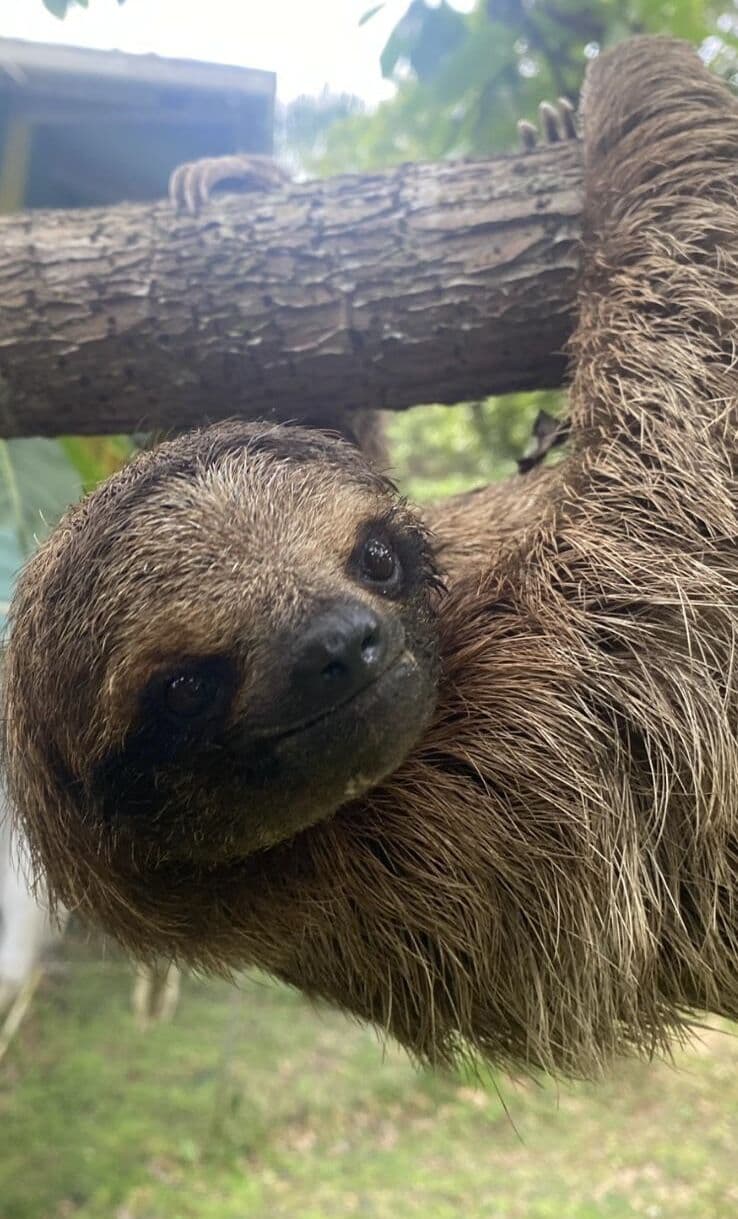
The mangrove shoreline is a show of its own: keep an eye on the branches and you'll often spot a sloth folded into the canopy while you wait for a dorsal fin.
2.How much does a Dolphin Bay tour cost?
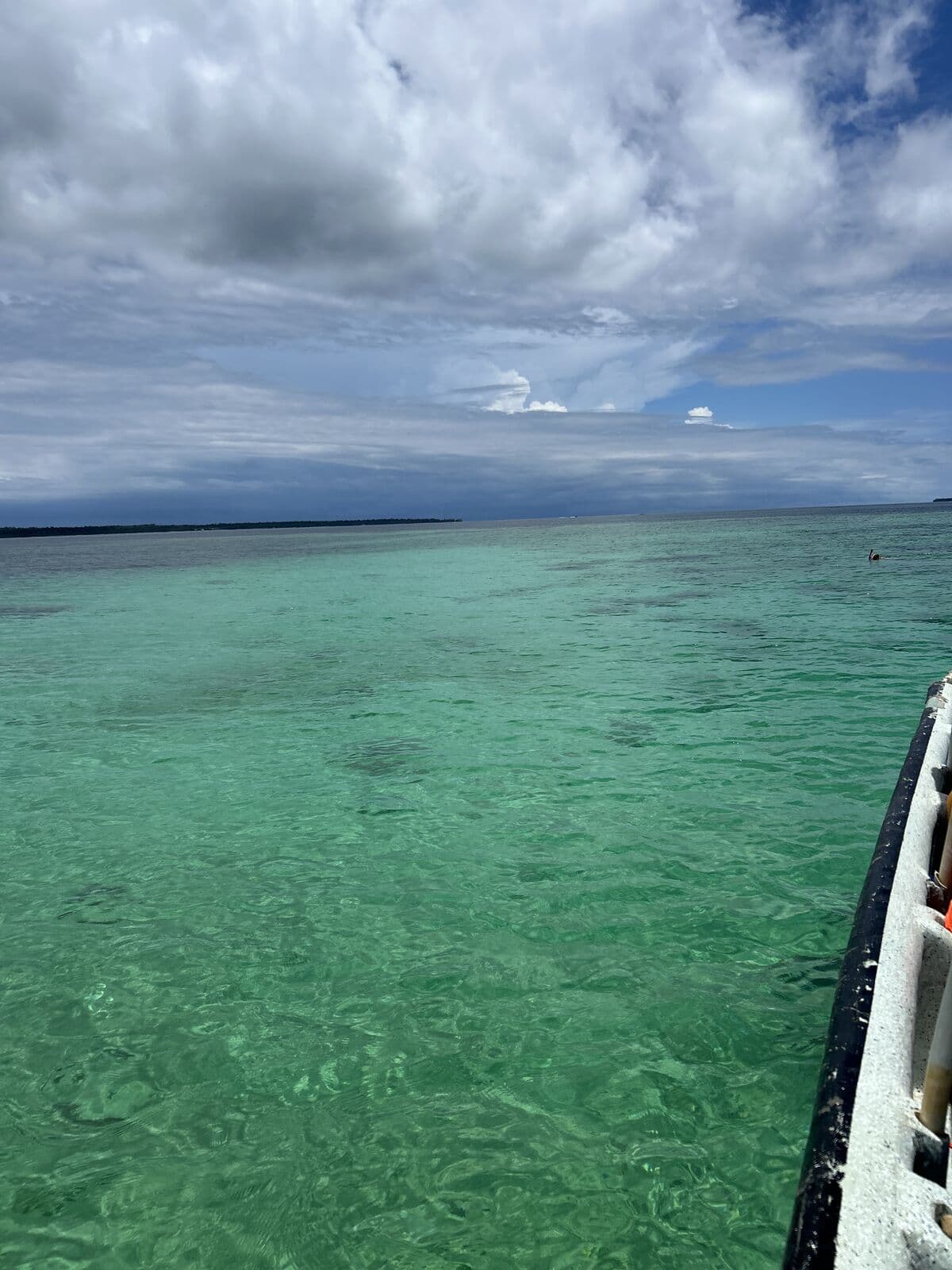
Dolphin Bay is a 20 to 30 minute boat ride from Bocas Town. A dedicated dolphin tour costs about $15–25 per person booked on the island; the shared full-day loop runs roughly $25–45; and a private trip — Big Bay Eco-Lodge charges $65 for one or two people for a relaxed 2–3 hours in the bay — is the better spend.
Almost every full-day boat tour in the archipelago — the classic Dolphin Bay–Coral Cay–Zapatilla loop — uses the bay as the first stop of the morning. If you want to do it properly, the private trip with a captain who follows the rules is the one we'd book. Bring cash in small bills — nobody out here takes cards.
3.The part most tours won't tell you

Panamanian law says a maximum of two boats may watch the dolphins at once, keeping 100 metres away. In practice, researchers observing the bay found boats inside that 100-metre line 71% of the time, with three to fifteen boats around a single dolphin group nearly half the time — and up to 40 boats at once in low season. In 2012–2013 alone, at least nine dolphins died from boat collisions or propeller strikes.
That's not a reason to skip the dolphins. It's a reason to be picky about how you see them. When boats crowd in, the dolphins stop feeding and socializing and just travel to get away. A cheap tour where five pangas race each other toward a dorsal fin isn't a wildlife encounter; it's a chase.
4.How to do it better

Ask your captain — before you pay — whether they keep 100 metres, idle the engine near dolphins, and approach parallel rather than head-on. A good captain will say yes without hesitation. Better still, book a private boat and tell them you're happy to wait at a distance; dolphins often come to a quiet, idling boat out of curiosity.
The best version of all: stay a night at one of the small eco-lodges inside Dolphin Bay and watch from a kayak or paddleboard at dawn, when the water is glassy and the tour boats haven't arrived. If the ethics of the bay bother you as much as they bothered us, Panacetacea — the research group studying these dolphins — takes donations.
Temper expectations on group tours: the dolphin stop is often 15–20 minutes, shared with whatever other boats had the same idea, and on rough-sea days you can pass through and see nothing at all. Seeing two or three fins arc through the lagoon while your captain cuts the engine is quietly great. Seeing them flee a semicircle of outboards is not — and which one you get is mostly decided when you choose your boat.
The Stay in Bocas Team
We live and host in Bocas del Toro year-round, running four small properties across the archipelago. Every guide is written from our own boat rides, beach days and guest questions.