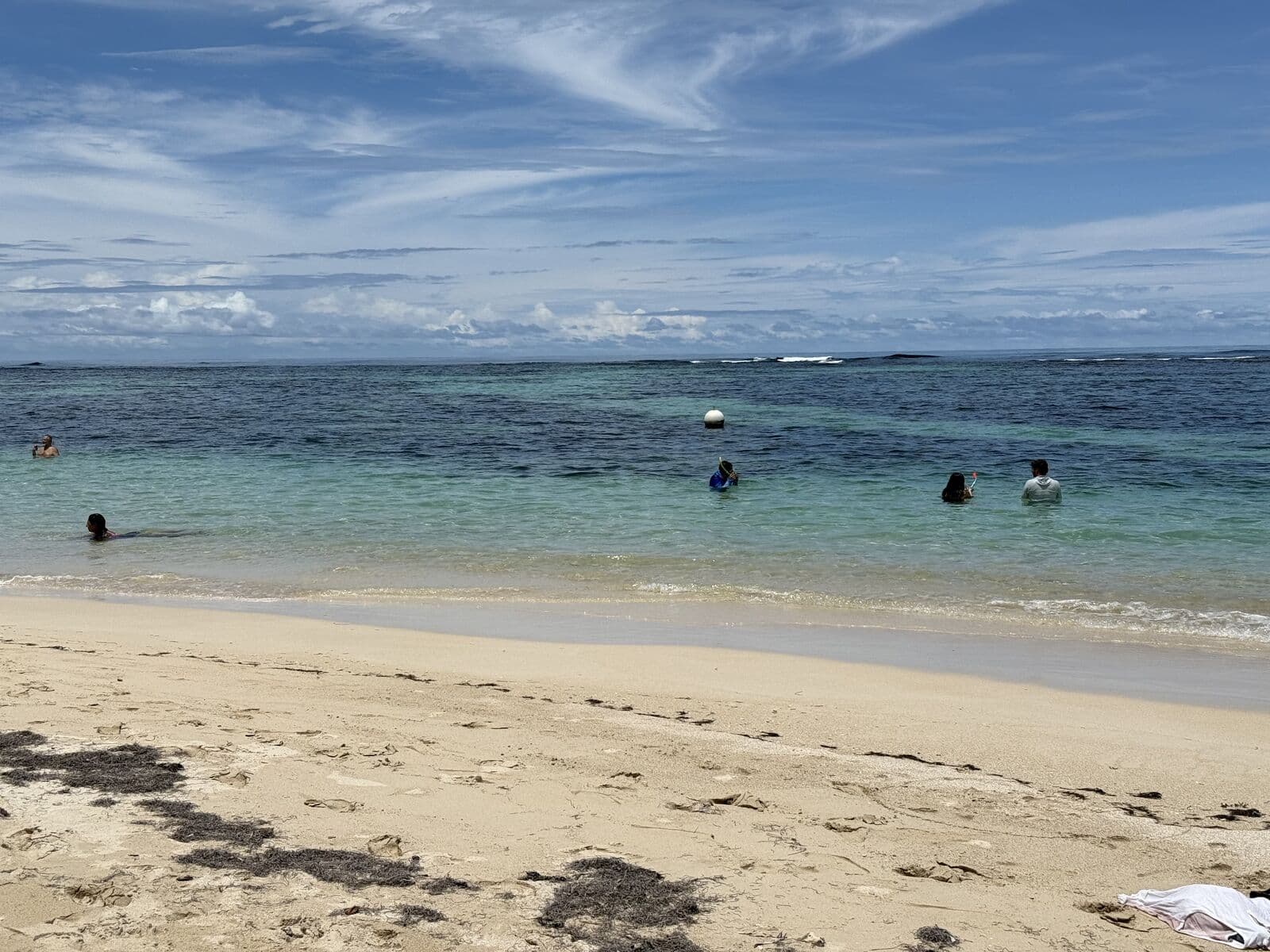
Culture · Isla Bastimentos
Visiting the Ngäbe Communities of Bocas del Toro
Updated 2026년 7월

Salt Creek (Quebrada Sal), Isla BastimentosOpenStreetMap →
Around 300 people live in Salt Creek — Quebrada Sal in Spanish — a Ngäbe village at the quiet end of Isla Bastimentos, about 30 minutes by boat from Bocas Town. The arrival is the first thing you'll remember: the boat turns into a mangrove channel that keeps narrowing until the forest closes overhead and the waterway is exactly one boat wide.
Let's be straight about what this is and isn't. The village isn't terribly scenic, and if you're expecting a dramatic cultural spectacle, skip it. But if you're curious how most people in this archipelago actually live — fishing, farming, weaving, no grid electricity, rainwater tanks — a morning here is one of the more worthwhile things you can do in Bocas.
1.How do you visit Salt Creek?

Visits to Salt Creek run through ALIATUR, the community alliance that has managed the village's tourism on its own terms since it opened to visitors in 2000. Entry costs $1, guided walks are arranged on arrival or in advance, and there are simple cabins and home-cooked meals if you want to stay over. The boat from Bocas Town takes about 30 minutes.
ALIATUR has an elected board and a rotation system: each tour is guided and managed by a different villager, so the income doesn't pool with one family. They built a visitors center, marked four forest trails, and deliberately cap visitor numbers — that structure is the reason to come here rather than to a village that never asked for guests. Don't expect a schedule of performances: weaving demonstrations and traditional dances happen occasionally, not on demand. This is a working village, not a show.
2.The forest trails and the other communities
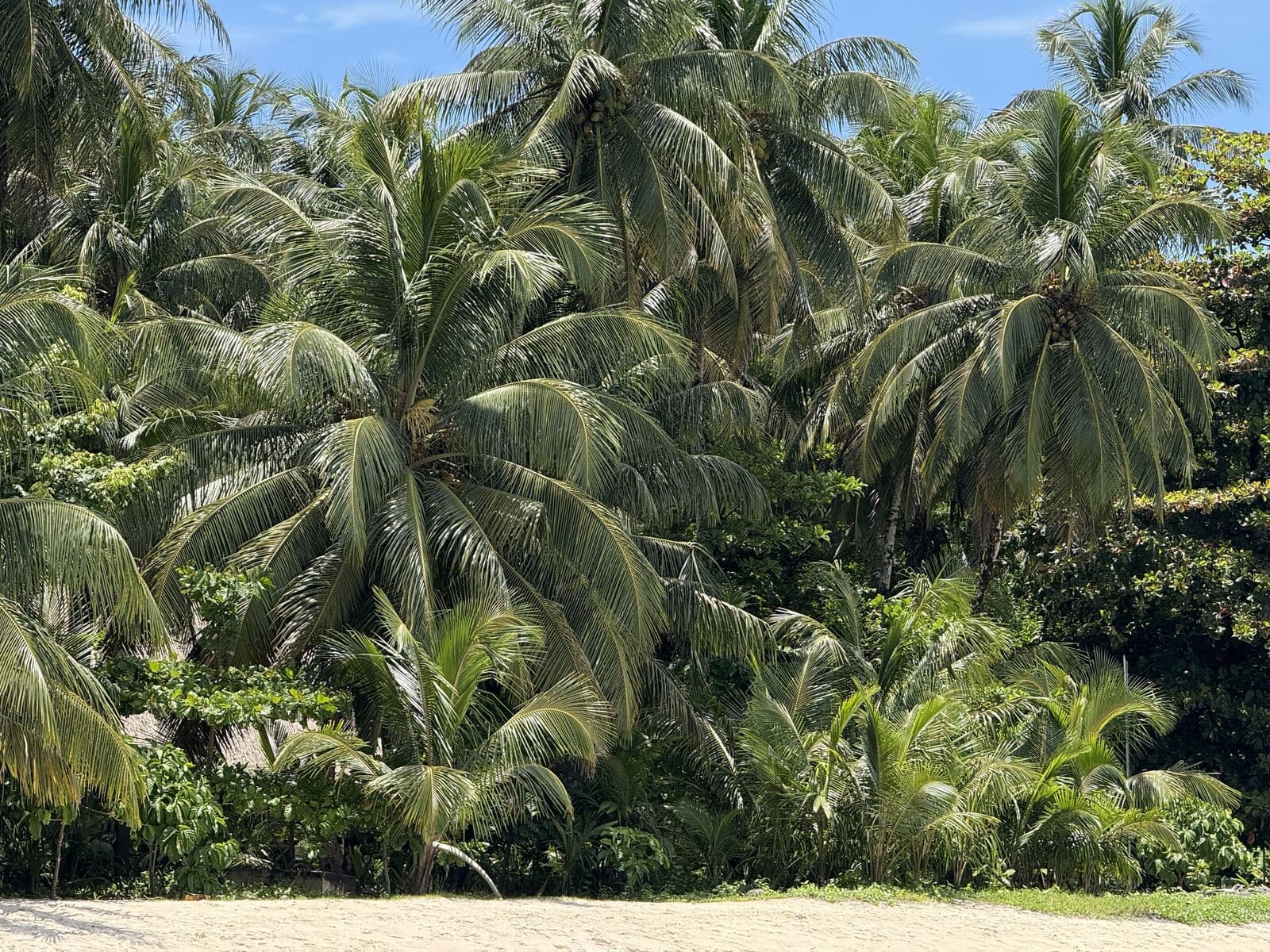
From Salt Creek, a signed trail leads through the forest to Playa Larga, with a fair chance of monkeys, iguanas and armadillos along the way. On the neighboring bay, Bahia Honda, the women's group Timorogo runs workshops on traditional food and clothing, and their Sloth Trail — part canoe, part walk — gets called one of the best tours in the islands.
Over on Isla Cristóbal, next to Dolphin Bay, San Cristóbal is the largest Ngäbe town in the archipelago at over 800 residents. Visits there lean hands-on: making chocolate the ancestral way with the women of the community, watching pineapple fiber being dyed for chacara bags, cooking lunch together.
3.How much does a Ngäbe community visit cost?

Salt Creek charges $1 to enter, with modest fees for guides and meals — your real cost is the boat from Bocas Town, usually bundled by tour desks with a Dolphin Bay or Zapatilla itinerary. The Ngäbe-run Oreba chocolate tour costs about $35 booked from Bocas Town and takes three to four hours.
You can also charter a boat directly and pay the village fees on the ground, which puts more of your money in the right hands. Oreba itself — run by Ngäbe cacao farmers near Almirante, on the mainland — walks you through the whole process — growing, fermenting, drying, roasting — ending with a Ngäbe lunch of boiled taro root, seasoned taro leaves and roasted chicken. Proceeds go back into the community's schooling and health care, which is exactly the kind of arithmetic we like to see on a tour receipt.
4.Etiquette
A few things matter here more than anywhere else in Bocas. Ask before photographing people, every time — a village is not a backdrop, and the Ngäbe were famously reserved about opening to visitors at all. Buy the crafts: the chacara bags, woven from hand-dyed pineapple fiber, are the real thing made by the women selling them, and the shop is one of the village's few income streams. Don't haggle hard over amounts that are small to you. And go with a local guide rather than wandering — partly out of respect, partly because the guide is the whole point.
One thing to avoid: some boat tours squeeze a "village stop" into a Dolphin Bay day as a 20-minute walkthrough. That version is awkward for everyone. Book the dedicated visit, give it a half day, and eat lunch there.
Bring small bills — there is nowhere to break a twenty. Rubber boots, insect repellent, and rain protection are all justified; this is forest, not beach, and some Spanish transforms the visit. And if the dances don't happen the day you're there, take it as a feature: you visited a working village, not a show.
The Stay in Bocas Team
We live and host in Bocas del Toro year-round, running four small properties across the archipelago. Every guide is written from our own boat rides, beach days and guest questions.